
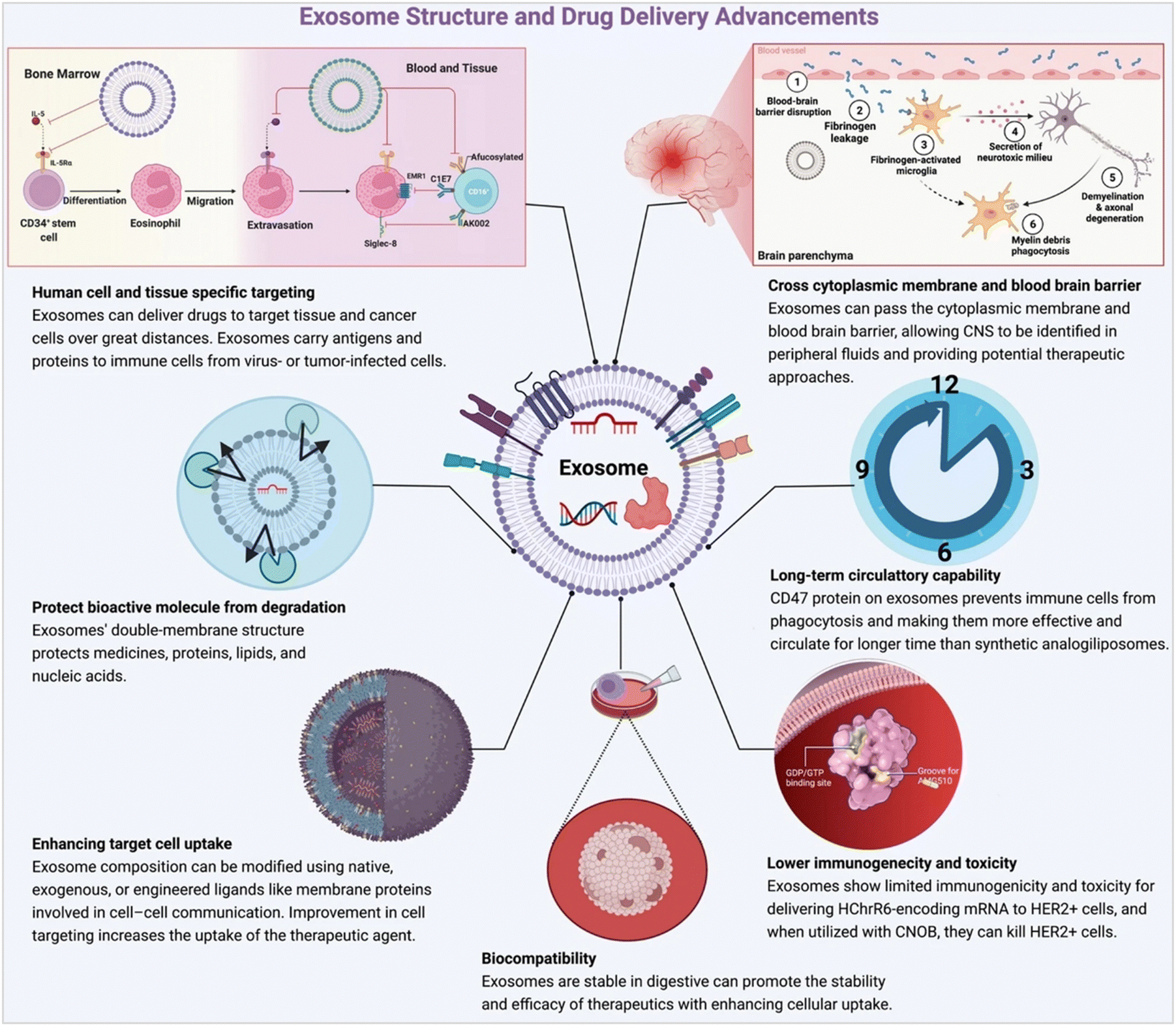
How can plant-derived extracellular vesicles (EVs) transform cancer drug delivery and overcome current challenges in precision medicine?
Plant-derived extracellular vesicles (EVs) have emerged as a powerful tool in cancer drug delivery. A recent study published in Nature Materials (2024) sheds light on the advantages of using these natural carriers for targeted therapies, addressing a critical need in oncology for more effective, non-toxic delivery systems.
The study outlines the unique properties of plant-derived EVs, enabling them to deliver precision therapeutic agents to target cancer cells while minimizing the systemic side effects commonly seen with conventional drug delivery systems.

Key Findings:
- Efficient Targeted Delivery:
Plant-derived EVs are naturally equipped to encapsulate and deliver a wide array of therapeutic molecules directly to cancer cells, including chemotherapeutic drugs, RNA, and proteins. Their ability to cross biological barriers, such as the blood-brain barrier, is a significant advantage, particularly in treating hard-to-target tumours.
- Enhanced Biocompatibility and Reduced Toxicity:
Plant-derived EVs offer superior biocompatibility with minimal toxicity, unlike synthetic nanoparticles or liposomes. This feature is vital in cancer therapies, where the side effects of treatment can often be as harmful as the disease itself. The study demonstrates that plant EVs trigger minimal immune responses, making them safer for repeated administrations.
- Stability and Versatility:
The research highlights the stability of plant EVs, which are resistant to environmental stressors, such as temperature fluctuations and changes in pH. This makes them suitable for storage and long-term use. Moreover, plant EVs can be easily engineered for specific cancer targets, further enhancing their therapeutic potential.
- Improved Cancer Therapy Outcomes:
The review concludes that using plant-derived EVs for drug delivery can significantly improve the effectiveness of cancer therapies by reducing the dosage of drugs required and targeting them more precisely to tumour sites.
This study contributes to the growing body of evidence on the utility of plant-derived EVs and paves the way for developing more efficient, targeted treatments in cancer therapy.
Read the full review here: https://pubs.rsc.org/en/content/articlehtml/2024/tb/d3tb02752j?utm_source=chatgpt.com