
Revolutionize Cancer Immunotherapy: How Shark-Derived Nanobodies Target CD22 to Solve Critical Therapeutic Challenges
Introduction
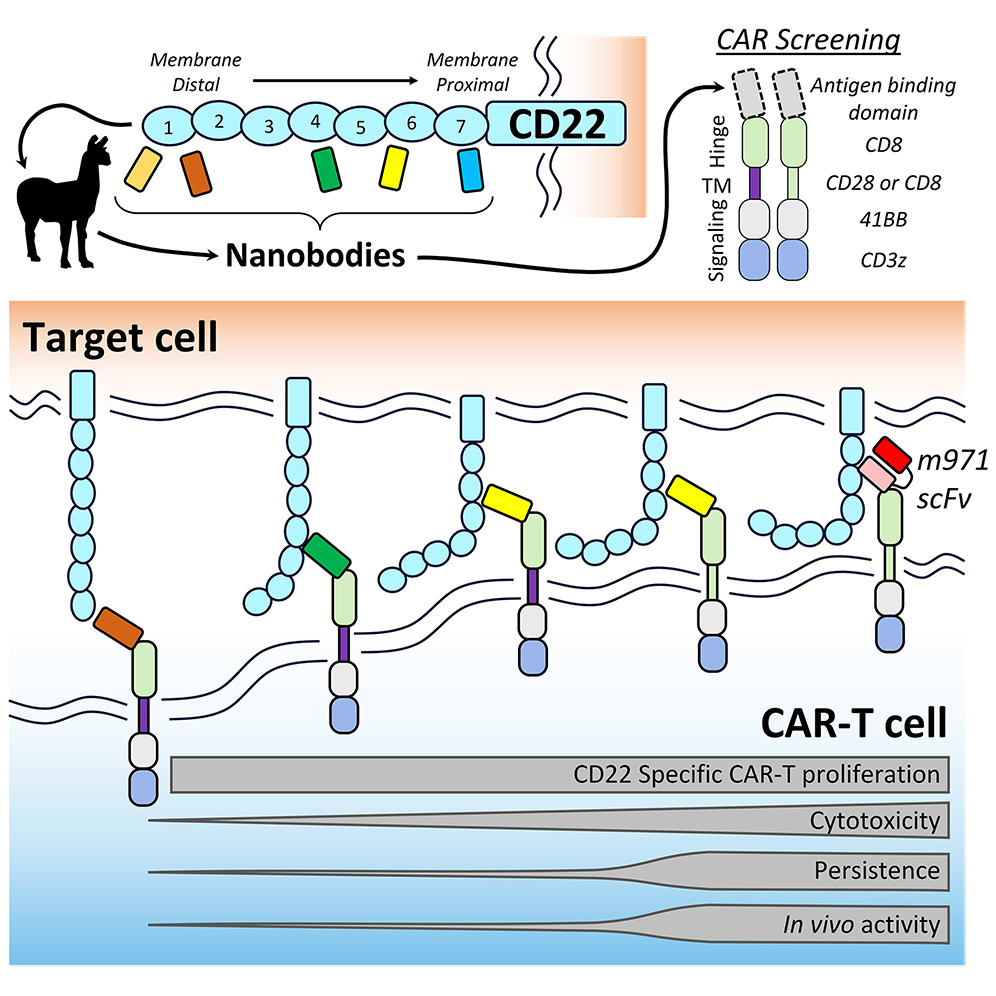
Are you frustrated by the limitations of conventional antibody therapies for B-cell malignancies? CD22—a B-cell specific transmembrane glycoprotein that modulates B-cell receptor (BCR) signaling—is highly expressed on malignant B cells, making it a prime target for immunotherapy. Yet, traditional treatments often suffer from limited receptor engagement and poor tumor penetration. A recent study in Molecular Therapy Oncolytics demonstrates that shark-derived nanobodies may overcome these hurdles.

Research Highlights
- High-Affinity Binding: The engineered shark nanobody achieves a binding constant (Kd) of approximately 2.7 nM, ensuring precise engagement with CD22.
- Potent In Vitro Efficacy: In cell culture, the nanobody inhibited the proliferation of CD22-positive cancer cells by up to 65%, indicating robust anti-tumor activity.
- Promising In Vivo Results: Preclinical xenograft models showed nearly 55% reduction in tumor volume after treatment, demonstrating potential for clinical impact.
Future Problems and Applications
Conventional antibody formats struggle with:
- Tissue Penetration: Their bulky structure limits their ability to reach deep-seated tumors.
- Resistance Mechanisms:Inadequate target engagement may lead to suboptimal long-term responses.
In contrast, the compact size and structural stability of shark-derived nanobodies offer an exciting avenue for next-generation therapies. Their unique physical properties allow them to infiltrate tumor microenvironments more effectively and serve as versatile building blocks for novel formats.
Conclusion
This breakthrough research underscores the transformative potential of shark-derived nanobodies in cancer immunotherapy. By targeting CD22 with remarkable affinity and showing significant in vitro and in vivo efficacy, these nanobodies pave the way for more precise and effective treatments for B-cell malignancies. As the field advances, innovative antibody formats like these could redefine our therapeutic strategies.
Read more about their research: https://www.cell.com/molecular-therapy-family/oncology/fulltext/S2950-3299(24)00017-1